
Long-distance passenger transport faces a demanding combination of expectations: travellers want a comfortable cabin and dependable journey times, while operators must manage energy costs, vehicle availability and environmental impact. Battery-electric coaches offer a different approach to meeting these needs, but their suitability depends on more than the absence of tailpipe emissions.
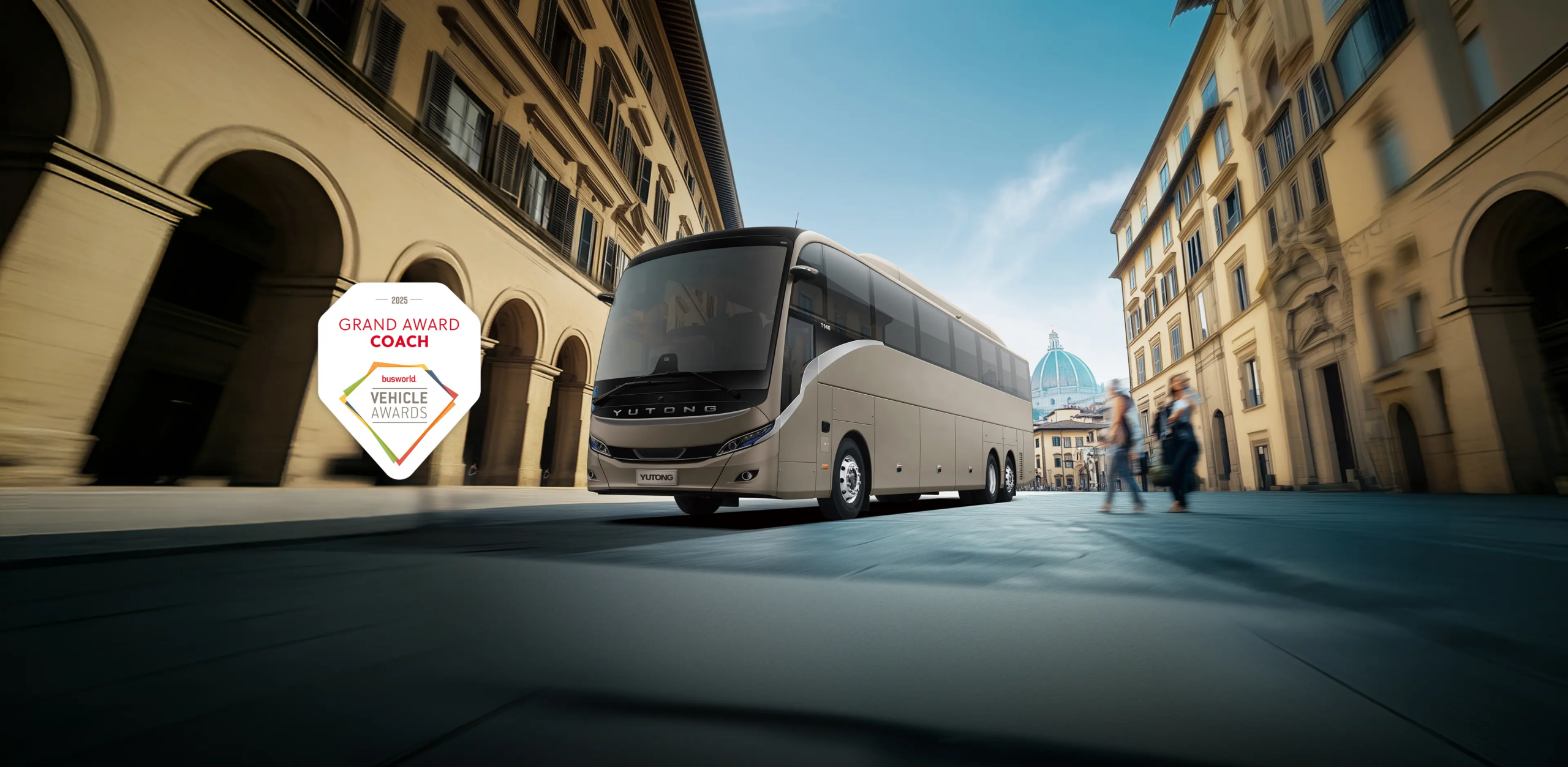
Route distance, charging access, passenger capacity and daily scheduling all shape operational performance. Yutong T14E provides a practical reference for examining how high-capacity electric coach design can support longer journeys, while Yutong Bus operates in a transport sector adapting to increasingly stringent sustainability expectations.
What Makes Zero-Emission Long-Distance Travel Different?
Electric coaches produce no tailpipe emissions during operation, which can help reduce local air pollution along busy roads and at passenger terminals. Their environmental impact, however, should be assessed across the wider energy lifecycle. Electricity generation, battery production, vehicle manufacturing and end-of-life treatment all contribute to the overall footprint. Operators evaluating sustainability should consider these factors rather than treating the absence of exhaust emissions as the only measure.
Energy demand is one of the main differences between electric and conventional long-distance vehicles. An electric coach draws power from its battery to operate the drivetrain and auxiliary equipment, including climate control and onboard systems. Consumption varies with speed, terrain, weather and passenger load. Highway travel may involve fewer stops than urban services, but sustained speeds and elevation changes can still affect energy use.
Route planning consequently becomes a central part of electric coach operations. Fleet managers need to understand the distance between charging points, the availability of suitable facilities and the time required to recharge. A route with predictable schedules and reliable charging access may be more straightforward to electrify than one involving remote destinations or irregular travel patterns.
Balancing Passenger Capacity With Battery Performance
Passenger capacity has a direct relationship with vehicle utilisation. A coach carrying more travellers per departure can reduce the number of vehicles required to move a given passenger volume, particularly on popular tourism and intercity routes. However, additional passenger and luggage weight can also increase energy consumption. Fleet planning should account for realistic occupancy rather than relying exclusively on maximum seating figures.
Battery capacity is another important consideration, although a larger battery does not automatically translate into better operational efficiency. It can provide more stored energy, but it may also add vehicle weight and affect purchase costs. The appropriate configuration depends on route length, charging opportunities, expected passenger loads and the reserve range required for unexpected delays.
Operators should also distinguish between a manufacturer’s stated range and the distance achievable in everyday service. Standardised test conditions offer a useful comparison, but real routes involve changing temperatures, traffic, gradients and driving styles. Collecting energy-consumption data from representative journeys gives fleet managers a more reliable basis for setting schedules and assessing vehicle suitability.
Charging Infrastructure and Long-Distance Service Planning
A long-distance electric coach needs a charging strategy that fits its timetable. Depot charging may be suitable when vehicles return to base overnight, while longer operating days can require charging during planned breaks or at destination facilities. The charging arrangement should reflect the actual duty cycle, including departure times, turnaround periods and the availability of spare vehicles.
Infrastructure capacity also affects operating costs. High-power charging equipment can shorten charging periods, but its installation may require electrical upgrades, site planning and coordination with the local utility. If several vehicles connect to chargers simultaneously, the resulting peak demand can place additional pressure on the depot’s electricity supply. Staggered charging and energy management systems can help distribute demand more effectively.
Long-distance services also need contingency arrangements. Delays, diversions, cold weather or unexpectedly high passenger loads may increase energy requirements or disrupt planned charging stops. Operators can reduce scheduling risks by maintaining suitable energy reserves, monitoring vehicle performance and identifying alternative charging locations along important corridors. Such preparation is particularly relevant to services with fixed arrival commitments.
The Yutong T14E in High-Capacity Electric Tourism
The Yutong T14E is a 14-metre battery-electric tourist coach with seating for 59 passengers. Its available battery capacity options are 621 kWh and 704 kWh, giving operators configurations to assess against different route and service requirements. These specifications illustrate how high-capacity electric coaches can be considered for tourism operations where passenger volume and longer travel distances both matter.
Vehicle specifications are only one part of the purchasing decision. Operators should compare battery configuration with expected daily mileage, charging infrastructure, passenger occupancy and local climate. The higher-capacity option may be relevant to demanding schedules, but its practical value depends on actual energy consumption and the charging resources available to the fleet.
After deployment, regular monitoring helps translate technical capability into dependable service. Energy use per kilometre, charging time, battery condition and vehicle availability provide useful indicators for operational reviews. Maintenance teams also need appropriate high-voltage training and diagnostic equipment to support electric drivetrains safely. These arrangements matter as much as the initial vehicle configuration when planning long-term fleet performance.
Conclusion
Zero-emission long-distance travel requires a coordinated approach to vehicle design, passenger demand, energy supply and route management. Battery-electric coaches can support tourism and intercity services, provided their range and charging needs match the realities of daily operation.
Yutong Bus is part of the industry’s transition toward electric passenger transport, and the T14E illustrates how substantial battery capacity and high passenger capacity can be brought together in a tourist coach. The wider opportunity lies in building transport services where lower operational emissions, passenger comfort and practical fleet economics can progress side by side.
