Most logistics decisions are based on transportation costs. Companies compare freight rates, negotiate contracts, and look for ways to reduce shipping expenses. However, the price of transportation is only one part of the equation. In many cases, the real financial risk comes not from moving cargo, but from moving it too slowly.Delayed shipments can stop production lines, postpone product launches, trigger contractual penalties, and damage customer relationships. As global supply chains become increasingly interconnected, the cost of waiting often exceeds the cost of transportation itself.
Why Delivery Delays Can Be More Expensive Than Freight Costs
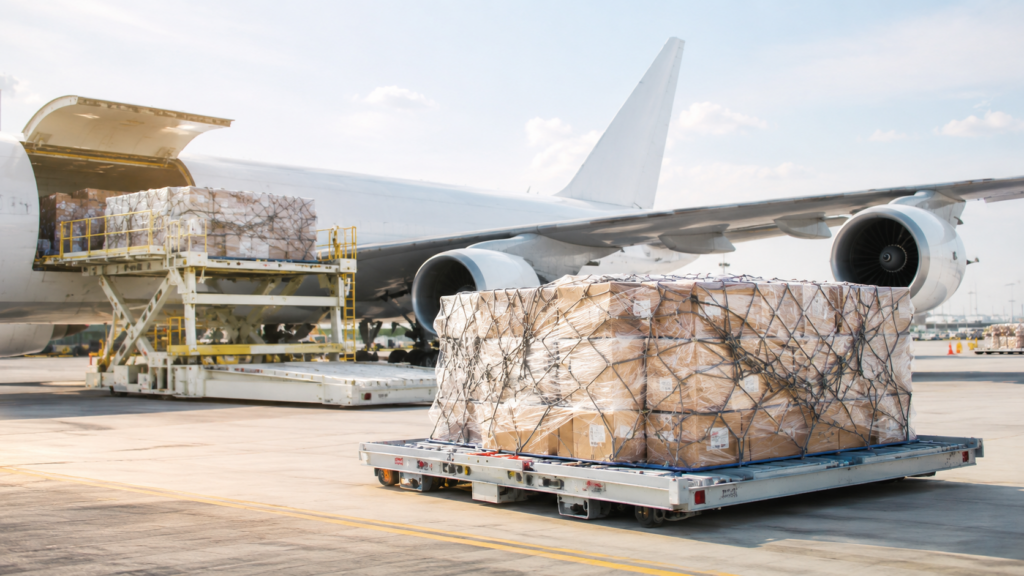
Businesses facing urgent shipping requirements often explore alternatives to standard freight services. Dedicated cargo aircraft are one of the options used when timing becomes critical and delays carry significant financial consequences. Additional information about this logistics model is available at https://air-cargo-global.com/charter-flights/.
Many organizations focus on the visible cost of shipping while overlooking the broader impact of delays. A shipment that arrives several days late may affect far more than a delivery schedule.
Manufacturers operating under just-in-time inventory models are particularly vulnerable. Components often arrive shortly before they are needed on the production line. If a critical part is delayed, the entire manufacturing process may stop until the shipment arrives.
The automotive, aerospace, electronics, and healthcare sectors all rely on tightly coordinated supply chains. In these industries, a single missing component can disrupt production, delay customer deliveries, and increase operational costs.
The Hidden Costs Companies Often Ignore
Transportation invoices show the direct cost of moving cargo. The indirect costs created by delays are far less visible, but often much larger.
A delayed shipment can lead to:
- Production downtime
- Missed contractual deadlines
- Emergency sourcing expenses
- Idle labor costs
- Lost sales opportunities
- Additional storage and rescheduling fees
- Damage to customer relationships
These consequences frequently outweigh the savings achieved by selecting the lowest transportation rate.
During periods of component shortages, manufacturers may be forced to slow or suspend production because a relatively small part is unavailable. In such cases, the financial impact of the disruption can exceed the value of the missing component many times over.
When a Charter Flight Becomes the More Economical Choice
At first glance, chartering an aircraft appears expensive. However, logistics decisions should be evaluated against the cost of business disruption rather than against alternative freight rates alone.
Consider a factory waiting for a replacement machine component. If the production line generates substantial revenue each day, a delay of several days may cost more than the price of dedicated air transport.
The same principle applies to aircraft maintenance, energy projects, pharmaceutical shipments, and high-value industrial equipment. In these situations, speed is not simply a convenience. It directly affects business performance.
Charter flights offer advantages that scheduled freight services cannot always provide, including dedicated capacity, customized routing, and departure schedules based on operational needs rather than airline timetables.
Why Supply Chain Resilience Has Become a Priority
Recent years have highlighted the vulnerability of global supply chains. Port congestion, geopolitical tensions, extreme weather events, and capacity shortages have all contributed to delivery disruptions.
As a result, companies are increasingly investing in supply chain resilience. The focus is shifting from pure cost reduction to risk management and business continuity.
This change is influencing how logistics decisions are made. Instead of asking which option is cheapest, many organizations now ask which option minimizes operational risk.
Looking Beyond Transportation Costs
The lowest freight rate does not always represent the lowest overall cost. When delays threaten production schedules, customer commitments, or revenue generation, transportation expenses become only one part of a much larger financial picture.
For businesses moving time-sensitive cargo, the most important question is not how much a shipment costs to transport. It is how much the organization stands to lose if that shipment arrives too late.