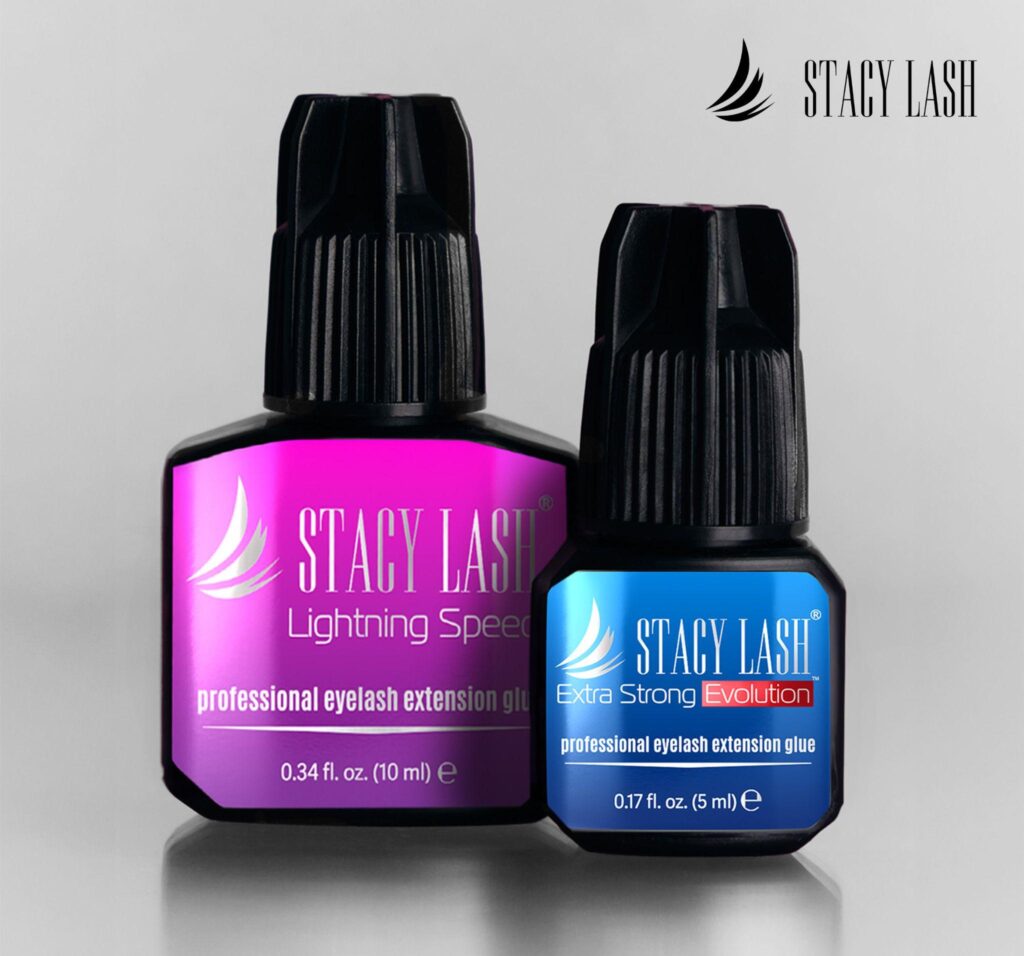
Selecting the right adhesive is one of the most critical decisions you’ll make as a lash artist or salon owner. The glue you choose directly affects your application speed, retention, client comfort, and ultimately your reputation. With so many options available, finding the best eyelash extension glue can feel overwhelming—especially when each product claims superior performance.
This detailed lash extension glue guide will walk you through everything you need to know, from drying speed to environmental factors, so you can make confident, professional decisions.
Why Lash Adhesive Choice Matters
Lash adhesive is more than just a bonding agent—it’s the foundation of every successful set. Even the highest-quality lashes won’t perform well if paired with the wrong glue. A poor adhesive can lead to premature shedding, stickies, or irritation, all of which negatively impact client’s experience.
Choosing from reliable professional lash glue choices ensures:
- Strong and flexible bond that move naturally with the lash
- Reduced risk of irritation from excess fumes
- Faster, more efficient application
- Improved retention, meaning fewer infills and happier clients
In a competitive beauty industry, consistent results matter. A well-chosen adhesive helps you build trust in this business, making it a key investment for your salon.
Drying Speed Comparison
One of the most important characteristics in any lash adhesive comparison is drying time. This determines how quickly the glue bonds the extension to the natural lash.
Fast-drying adhesives (0.3–1 second):
These are designed for experienced technicians who work quickly and precisely. The adhesive bonds almost instantly, reducing application time but leaving little room for adjustment. If your placement isn’t accurate, corrections can be difficult.
Medium-drying adhesives (1–2 seconds):
A popular choice for intermediate lash artists, these glues offer a balance between speed and control. They allow slight adjustments while still maintaining efficient workflow.
Slow-drying adhesives (3–6 seconds):
Ideal for beginners, these adhesives provide more time to position the lash correctly. While they slow down the overall process, they reduce mistakes and help build confidence.
Matching the glue’s drying speed to your skill level is crucial. Using a fast adhesive before you’re ready can lead to poor retention and messy application.
Retention & Performance
Retention is often the defining factor when choosing the best eyelash extension glue. Clients expect their lashes to last several weeks, and your adhesive plays a major role in meeting those expectations.
High-quality adhesives typically offer retention between 5 to 8 weeks, depending on:
- Proper application technique
- Natural lash growth cycle
- Client aftercare habits
- Environmental conditions
Performance also includes how well the glue resists oil, humidity changes, and daily wear. A strong adhesive should maintain a flexible bond that doesn’t become brittle over time.
It’s important to remember that even the best glue cannot compensate for poor technique. Proper isolation, correct dipping, and precise placement are equally important in achieving maximum retention.
Humidity & Temperature Factors
Environmental conditions have a huge impact on how your adhesive performs. Lash glue cures through a chemical reaction with moisture in the air, meaning humidity and temperature directly affect drying speed and bond strength.
Humidity considerations:
- Low humidity (below 40%): Adhesive dries slower, increasing risk of weak bonds
- High humidity (above 70%): Adhesive cures too quickly, reducing flexibility and retention
- Ideal range: 50–60%
Temperature considerations:
- Ideal temperature: 20–24°C
- Higher temperatures accelerate curing
- Lower temperatures slow down performance
Professional lash artists often use hygrometers and thermometers to monitor their workspace. If your environment fluctuates, you may need to switch between different lash glue formulas to maintain consistent results.
Glue for Sensitive Clients
Not every client can tolerate standard lash adhesives. Some individuals have sensitivities and react to fumes, making it essential to offer gentler options.
Sensitive adhesives are specifically formulated with:
- Lower fume levels
- Reduced cyanoacrylate concentration
- Slower curing times
These glues prioritize comfort over maximum retention, typically lasting slightly less time than standard formulas. However, they are invaluable for expanding your client base and ensuring inclusivity.
Before using any adhesive, it’s good practice to conduct a patch test for clients with known sensitivities. This helps prevent adverse reactions and builds trust in your professionalism.
Beginner vs Advanced Adhesives
Understanding the difference between beginner and advanced adhesives is key to improving your technique and results.
Beginner adhesives:
- Longer drying times for easier control
- Lower risk of mistakes such as stickies
- More forgiving during placement
Advanced adhesives:
- Extremely fast curing for speed and efficiency
- Stronger bonding power
- Require excellent isolation and precision
Many lash artists progress through different adhesives as their skills develop. Starting with a slower glue allows you to master the basics, while advanced formulas help you increase speed and productivity.
Using the wrong level of adhesive can hinder your growth. Beginners using fast glue may struggle, while advanced artists using slow glue may feel inefficient.
Comparison Table
Below is a simplified lash adhesive comparison to help you choose the right product:
| Feature | Beginner Glue | Intermediate Glue | Advanced Glue |
| Drying Time | 2–4 seconds | 1–2 seconds | 0.3-1 sec. |
| Retention | 3–5 weeks | 5–7 weeks | 6-8 weeks |
| Fume Level | Low | Medium | Higher |
| Skill Requirement | Beginner | Intermediate | Advanced |
| Flexibility | High | Medium | Low |
This table highlights how different adhesives cater to different experience levels and working styles.
Pro Tips for Maximum Retention
Even the best eyelash extension glue won’t perform well without proper handling and technique. Here are expert tips to maximize retention and consistency:
- Store your adhesive correctly
Keep glue in a cool, dry place away from sunlight. Improper storage can degrade the formula and reduce effectiveness. - Shake before use
Always shake your glue for at least 30–60 seconds to ensure the ingredients are properly mixed. - Use fresh glue regularly
Replace opened adhesive every 4–6 weeks. Old glue loses its bonding strength and can compromise results. - Refresh glue drops frequently
Dispense a new drop every 15–20 minutes during application to maintain optimal performance. - Prepare lashes properly
Clean, oil-free lashes are essential. Use a lash cleanser or primer to remove oils, makeup, and residue before application. - Control your environment
Monitor humidity and temperature to ensure your adhesive works as intended. Small adjustments can make a big difference. - Perfect your technique
Proper isolation, correct adhesive amount, and accurate placement are just as important as the glue itself.
Final Thoughts
Choosing the right adhesive is not just about picking a popular product—it’s about understanding your environment, skill level, and client needs. This comprehensive lash extension glue guide shows that there is no one-size-fits-all solution when it comes to selecting the best eyelash extension glue.
By evaluating drying speed, retention, sensitivity, and environmental conditions, you can make informed decisions that elevate your work. Combined with high-quality eye lashes extension products and proper technique, the right adhesive will help you deliver long-lasting, beautiful results every time.
Investing time in understanding your adhesive options is one of the smartest moves you can make for your salon’s success.