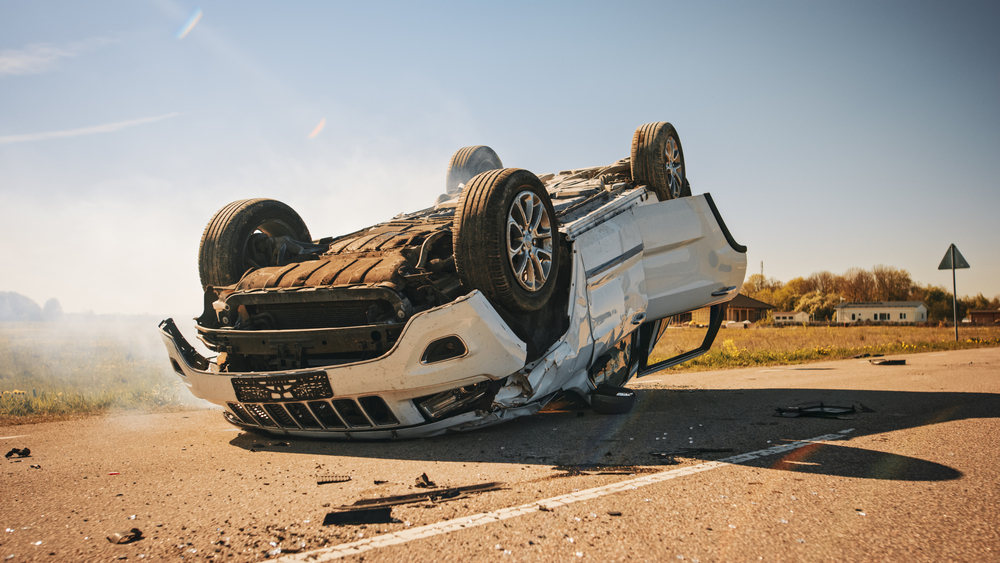
Houston’s unpredictable weather patterns create some of the most hazardous driving conditions in Texas. From sudden thunderstorms to devastating floods, the city’s unique climate significantly elevates the risk of vehicular accidents throughout the year. Understanding these weather-related dangers and knowing your legal rights can mean the difference between a successful claim and financial hardship after a crash.
The Houston Weather Factor: Statistics That Tell the Story
Houston experiences an average of 106 rainy days annually, nearly double the national average of 58 days, according to the National Weather Service. This excessive precipitation directly correlates with increased accident rates. Data from the Federal Highway Administration reveals that 70% of weather-related crashes occur on wet pavement, while 46% happen during rainfall.
The Texas Department of Transportation (TxDOT) reported that in 2023 alone, Harris County, where Houston is located, saw over 64,000 traffic crashes, with weather conditions contributing to approximately 23% of these incidents. More alarmingly, the National Highway Traffic Safety Administration (NHTSA) found that weather-related crashes claim over 5,000 lives annually across the United States, with Texas ranking among the top five states for such fatalities.
When weather-related accidents occur, victims often face complex legal battles. Consulting a Houston car accident lawyer becomes essential for navigating insurance claims and determining liability in these challenging cases.
What Makes Houston’s Weather Particularly Dangerous for Drivers?
Houston’s subtropical climate creates a perfect storm of driving hazards. The city sits just 50 feet above sea level, making it exceptionally vulnerable to flooding. When combined with aging infrastructure and rapid urban development, the result is a dangerous environment for motorists.
Flash flooding represents Houston’s most deadly weather threat. According to the Harris County Flood Control District, the region can receive up to 10 inches of rain in just a few hours during severe weather events. In 2017, Hurricane Harvey dumped an unprecedented 60 inches of rain over four days, causing catastrophic flooding and thousands of vehicle-related incidents.
Beyond flooding, Houston drivers face severe thunderstorms with frequency. The city averages 62 thunderstorm days per year, significantly higher than the national average of 40 days, based on NOAA Storm Events Database. These storms often arrive with little warning, creating sudden visibility issues and slick road surfaces.
Temperature fluctuations also play a role. While Houston rarely sees snow, occasional winter storms can create black ice conditions. The Insurance Institute for Highway Safety (IIHS) notes that drivers in typically warm climates are 37% more likely to be involved in accidents during rare ice events compared to drivers in northern states who encounter such conditions regularly.
Understanding legal guidance for accident claims from poor road conditions helps victims recognize when weather and infrastructure failures contribute to crashes.
How Do Heavy Rains and Floods Create Accident Risks?
Rainfall transforms Houston’s roadways into hazardous zones within minutes. When rain first begins, it mixes with oil residue on road surfaces, creating an extremely slippery film. Research from the AAA Foundation for Traffic Safety shows that crash risk doubles during the first 10 minutes of rainfall compared to dry conditions.
As precipitation continues, hydroplaning becomes the primary threat. Hydroplaning occurs when water builds between tires and road surfaces, causing complete loss of traction. Vehicles can hydroplane at speeds as low as 35 mph when water depth exceeds just 1/12 of an inch, according to Consumer Reports automotive research.
Houston’s notorious flooding creates even more severe dangers. A recent Reddit discussion on r/Houston highlighted residents’ experiences with flooded underpasses and stalled vehicles, with one user noting: “I’ve lived here 15 years and still see people trying to drive through water that’s clearly too deep. The ‘turn around, don’t drown’ message hasn’t gotten through” (Reddit discussion on Houston flooding hazards).
The National Weather Service emphasizes that just 6 inches of water can cause loss of control, while 12 inches can sweep away most vehicles. Unfortunately, many Houston drivers underestimate these risks. TxDOT statistics reveal that more than half of flood-related vehicle deaths occur when drivers intentionally enter flooded roadways.
What About Fog, Wind, and Other Weather Hazards?
While rain dominates Houston’s weather concerns, other conditions present significant risks. Dense fog frequently blankets the region, particularly during winter months and near coastal areas. Visibility can drop below 10 feet during severe fog events, yet many drivers fail to adjust their speed accordingly.
The National Transportation Safety Board (NTSB) investigated a 2019 multi-vehicle pileup on I-10 near Beaumont, just east of Houston, where fog contributed to a 130-vehicle crash that killed two people and injured 65 others. This incident underscores how quickly weather-degraded visibility can turn highways into disaster zones.
High winds, particularly during hurricane season (June through November), create additional hazards. Sustained winds exceeding 40 mph can push high-profile vehicles like trucks and SUVs across lanes. The National Weather Service Houston/Galveston office reports an average of 8-10 tropical systems affecting the region each hurricane season, many bringing dangerous wind gusts.
Even Houston’s intense heat contributes to accidents. Prolonged exposure to temperatures exceeding 95°F, which Houston experiences on average 99 days per year, according to Weather.gov data—can cause tire blowouts. The Rubber Manufacturers Association found that tire-related crashes increase by 35% during summer months in hot climates like Houston.
How Do Road Conditions Compound Weather-Related Risks?
Weather doesn’t act alone in creating dangerous conditions. Houston’s infrastructure challenges significantly amplify weather-related crash risks. The American Society of Civil Engineers gave Texas roads a C rating in their 2021 Infrastructure Report Card, citing poor maintenance and inadequate drainage as major concerns.
Potholes proliferate after heavy rains as water seeps into pavement cracks, weakening road foundations. Houston’s Public Works Department reports filling approximately 200,000 potholes annually, but new ones constantly emerge. Hitting a pothole at highway speeds can cause tire damage, loss of control, and multi-vehicle accidents.
Inadequate drainage exacerbates flooding problems. Many Houston roadways were designed decades ago for a much smaller population and less severe weather patterns. Climate data shows the city now experiences rainfall events 20% more intense than historical averages, according to NASA climate research, yet infrastructure improvements haven’t kept pace.
Construction zones add another layer of complexity. With Houston’s continuous growth, drivers regularly encounter work zones where lane configurations change and surfaces become uneven. When rain falls in these areas, accident risk escalates dramatically. OSHA workplace safety data indicates that weather-related crashes in work zones increase by 250% during precipitation events.
What Should You Do Immediately After a Weather-Related Accident?
The moments following a weather-related crash are critical for both safety and legal protection. First, ensure everyone’s safety by moving to a secure location if possible. Never remain in a vehicle on a flooded roadway, as water levels can rise rapidly.
Contact emergency services immediately, even for seemingly minor accidents. Police reports become crucial evidence when weather contributed to a crash. Document everything possible: take photos of vehicle damage, road conditions, weather conditions, traffic signs, and any visible hazards like standing water or debris.
Gather witness information if others saw the accident occur. Their testimonies can prove invaluable when establishing how weather and road conditions contributed to the crash. Another helpful Reddit thread on r/legaladvice discussed the importance of documentation, with one commenter stating: “I thought I didn’t need photos after a rain accident until my insurance tried to deny the claim. Document EVERYTHING” (Reddit legal advice discussion).
Seek medical attention even if injuries seem minor. Adrenaline can mask symptoms, and delayed treatment weakens personal injury claims. The Centers for Disease Control and Prevention (CDC) reports that crash victims who delay medical care by more than 72 hours face significantly longer recovery times and more complications.
Avoid making statements about fault at the scene. Weather-related accidents often involve multiple contributing factors, and premature admissions can undermine your legal position. Instead, stick to factual descriptions of what happened and let investigations determine liability.
Who Is Liable When Weather Contributes to a Car Accident?
Determining liability in weather-related accidents proves more complex than standard collision cases. Many people assume that weather automatically absolves drivers of responsibility, but Texas law views this differently. Drivers have a legal duty to adjust their behavior according to conditions, regardless of weather.
Texas Transportation Code Section 545.351 requires drivers to operate at speeds “reasonable and prudent under the circumstances then existing.” This means that even if you’re traveling at or below the posted speed limit, you could be found negligent if you failed to slow down for hazardous weather.
However, multiple parties may share liability. If poor road design, inadequate drainage, missing warning signs, or maintenance failures contributed to the accident, governmental entities or contractors could bear partial responsibility. A qualified Houston personal injury attorney can investigate whether infrastructure deficiencies played a role.
Third parties might also be liable. If another driver’s reckless behavior in bad weather caused the accident, they remain responsible despite challenging conditions. If defective tires, brakes, or windshield wipers failed during critical moments, manufacturers could face product liability claims.
Texas follows a modified comparative fault system under Texas Civil Practice and Remedies Code Section 33.001. This means you can recover damages even if you were partially at fault, as long as your responsibility doesn’t exceed 50%. However, your compensation reduces proportionally to your fault percentage.
Insurance companies often exploit weather conditions to minimize payouts, arguing that “acts of God” release them from full liability. Don’t accept their initial assessment without legal consultation. An experienced Houston car accident lawyer understands how to counter these tactics and establish the true causes of weather-related crashes.
What Evidence Strengthens Weather-Related Accident Claims?
Building a strong case requires comprehensive evidence beyond typical accident documentation. Weather reports from the National Weather Service for the exact time and location of your crash provide official records of conditions. These reports detail precipitation levels, wind speeds, visibility ranges, and other critical factors.
Road maintenance records can reveal whether authorities knew about hazardous conditions but failed to address them. Freedom of Information Act requests can uncover histories of complaints, previous accidents in the same location, and scheduled (or neglected) maintenance activities.
Traffic camera footage often captures weather-related accidents. Houston operates an extensive network of traffic cameras monitored by TranStar. Requesting footage immediately after an accident is crucial, as recordings are typically stored for only 30-60 days.
Expert testimony from accident reconstructionists can demonstrate how weather, road conditions, and driver actions combined to cause the crash. These professionals use scientific methods to recreate accidents, often providing compelling evidence about liability.
Vehicle data recorders (black boxes) in modern cars store information about speed, braking, steering inputs, and more. This data can prove whether you took appropriate actions given the weather conditions. Similarly, smartphone data might show whether other drivers were distracted, potentially causing them to drive unsafely for conditions.
How Can You Protect Yourself From Weather-Related Crashes?
Prevention remains your best protection. Monitor weather forecasts before traveling, and delay trips when severe weather threatens. The NOAA Weather Radio and apps like Weather.gov mobile provide real-time alerts for Houston and surrounding areas.
Maintain your vehicle properly. The Car Care Council recommends checking tire tread depth monthly (minimum 2/32 of an inch, though 4/32 is safer for wet conditions), replacing wiper blades every six months, and ensuring all lights function correctly. Brake system inspections should occur annually, as effective brakes are critical for weather-related hazard avoidance.
Adjust driving behavior proactively. During rain, reduce speed by one-third on wet roads and by half or more in snow or ice, according to AAA driving safety recommendations. Increase following distance to at least four seconds in rain, longer in heavy precipitation or fog.
Never use cruise control in wet conditions. This feature can cause vehicles to accelerate when wheels lose traction, making hydroplaning worse. Keep both hands on the wheel and stay fully engaged with constantly changing conditions.
Understand your route’s flood-prone areas. The Harris County Flood Warning System provides real-time information about water levels at over 170 locations. Avoid areas with histories of flooding, particularly low-lying intersections and underpasses.
What Legal Steps Should You Take After a Weather-Related Crash?
Time-sensitive legal actions can make or break your claim. Texas law imposes a two-year statute of limitations for personal injury claims under Texas Civil Practice and Remedies Code Section 16.003. Missing this deadline typically means losing your right to compensation entirely, regardless of how strong your case might be.
However, waiting two years to pursue a claim is inadvisable. Evidence deteriorates, witnesses’ memories fade, and insurance companies become less cooperative over time. Consulting a Houston car accident lawyer within days of your accident ensures critical evidence preservation and timely claim filing.
Your attorney will handle communications with insurance companies, preventing you from making statements that could harm your case. Insurers often contact accident victims quickly, seeking recorded statements before victims understand their rights or the full extent of their injuries. These statements frequently become weapons against claimants later.
A thorough legal investigation examines all potential liability sources. Beyond obvious parties like other drivers, your attorney might identify claims against:
- City or county governments for road maintenance failures
- Construction companies for inadequate work zone safety measures
- Automotive manufacturers for defective safety systems
- Employers if commercial vehicles were involved
Your lawyer will also calculate your full damages, which extend beyond immediate medical bills and vehicle repairs. Compensation may include future medical expenses, lost earning capacity, pain and suffering, emotional distress, and loss of quality of life. National personal injury settlements for serious weather-related accidents average $50,000-$500,000, though severe cases can exceed millions.
How Do Insurance Companies Handle Weather-Related Claims?
Insurance companies approach weather-related claims with heightened skepticism. They recognize that weather provides convenient excuses for driver error and often deploy aggressive tactics to minimize payouts.
Common insurance company strategies include:
Attributing accidents entirely to weather:
Insurers argue that extreme weather constitutes an “act of God” beyond any driver’s control, therefore limiting their liability obligations. However, this argument ignores drivers’ duties to adjust behavior for conditions.
Blaming victims for driving in bad weather:
Adjusters question why you were on the road during hazardous conditions, implying contributory negligence. While this sometimes has merit, many people have legitimate reasons for traveling during weather events, work obligations, medical appointments, or emergencies.
Lowball initial offers:
Insurance companies frequently make quick, low settlement offers hoping victims will accept before understanding their claims’ true value. These offers rarely cover all damages, especially long-term medical needs or diminished earning capacity.
Delayed claim processing:
Some insurers intentionally slow claim handling, hoping financial pressure will force victims to accept inadequate settlements. Texas law requires insurers to acknowledge claims within 15 days and accept or reject them within 15 business days after receiving all requested documentation, but enforcement varies.
Having legal representation counters these tactics effectively. Attorneys understand insurance company strategies and possess leverage to negotiate fair settlements. When insurers refuse reasonable offers, experienced lawyers have the resources and willingness to take cases to trial.
Your Path Forward After a Weather-Related Accident
Houston’s challenging weather conditions will continue creating dangerous driving situations. Understanding how these conditions increase crash risks, knowing your rights, and taking appropriate legal action after weather-related accidents ensures you receive fair treatment and adequate compensation.
Don’t let insurance companies minimize your claim by citing weather as an excuse. While Houston’s rains, floods, and storms create genuine hazards, drivers and governmental entities still have responsibilities to maintain safe conditions and drive appropriately. When they fail these duties, they must be held accountable.
If you’ve been injured in a weather-related crash, protect yourself by documenting everything, seeking immediate medical care, and consulting with legal professionals who understand the complexities of these cases. The right guidance can mean the difference between financial recovery and overwhelming debt.
Weather will always be unpredictable in Houston, but your legal rights don’t have to be. With proper knowledge and experienced representation, you can navigate the aftermath of weather-related accidents and secure the compensation you deserve.