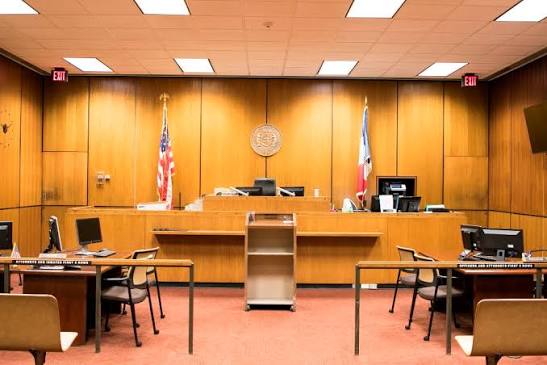
When court documents are served, housing disputes can be stressful. One lawsuit can involve rent, repairs, notices and rights to possession. Some rental issues are heard in the Landlord/Tenant Docket of the Jackson County Circuit Court in Kansas City. The docket includes cases from Missouri Chapters 441, 534 and 535. The laws address several different sorts of possession and rental issues. Landlords and renters can benefit from knowing the fundamental judicial process. It can also avoid simple errors from compounding a bad scenario.
First, Learn What Case Was Filed
Not all housing cases go down the same way. A rent-and-possession case is a case involving nonpayment of rent and possession of rental property. These matters are governed by Section 535.020 of the Missouri law. It allows a landlord to begin after rent is due, payment is demanded and rent is not paid. An unlawful detainer case is not the same. This type of claim is covered by Missouri Chapter 534, including those cases where a person stays after the tenancy is over. This is a big difference. Don’t assume a notice or lawsuit in a rental issue is governed by the same regulations as another. Read the case papers in fact.
Your Court Papers Tell You Much
When you get court paperwork, take your time and read every page. Look up the case number, date of hearing, court division, claims, and deadlines. See if the other party is asking for money, possession or both. The Jackson County court system also directs parties to Case.net for case information. Case.net can provide public court information, such as docket entries and judgments. You do know what? A fast glance can spot a date change you might miss otherwise. As the hearing date approaches, review your case information.
What occurs prior to the hearing?
Both sides should compile evidence prior to the hearing. The renter may need the lease, rent receipts, bank documents, payment app data, notices, and repair messages. For property damage or poor circumstances, pictures can also be helpful. Landlords must preserve records of rent, copies of notices, lease documents, repairs and pictures. Try and sort it all by date. A clean record makes the story easier to read. It also helps you see holes in your own case.
Notice Rules Can Be Tricky
Notice regulations vary by kind of tenancy and legal action. Under Missouri law, many month-to-month tenancies need written notice before the tenancy terminates. The notification must normally specify a date of termination that is a rent-paying date no earlier than one month following receipt. But there is a different rule in rent-and-possession instances. Section 535.020 provides that no notice needed under Section 441.060 is necessary before commencing a Chapter 535 rent and possession action. So there is no single straightforward rule that fits all rental disputes. Why the case has been brought matters.
The hearing is your opportunity to tell your story.
At the hearing, the judge examines the allegations and evidence of the parties. The two sides should concentrate on the facts of the case. If the long stories about previous arguments don’t speak to the legal issue, they might not help. Bring your main documents. Know what each paper tells. Discuss beforehand with your lawyer if you have witnesses relevant to the case. Don’t ambush the court with new facts that may have been presented ahead of time. Jackson County reports landlord-tenant hearings are in person unless otherwise noted on Case.net. Please check the current case record before coming.
What can happen?
There are various ways a housing lawsuit might terminate. The parties could understand each other. The case can be dismissed. The judgment may be for either party. The court can also rule who is entitled to possession and if money is owed. The precise result will rely on the allegation, evidence, defenses, and court finding. A court date is not an automatic eviction. But don’t assume it’s an automatic win for the tenant. The judge judges the matter on the law and on the facts presented to him.
Money claims could be a part of the case
Some rental lawsuits are about more than just possession. A landlord may sue for rent that is not paid or other amounts allowed by law. A tenant may have questions about the payments made or may challenge the amount claimed. Security deposits might sometimes cause money conflicts. In Missouri, the maximum amount of a residential security deposit is normally two months’ rent. Usually landlords have 30 days after the tenancy expires to either repay the deposit or give an itemized statement of deductions and the balance. Save all receipts and statements. Money fights are usually fights over records.
Do Not Ignore a Judgment
A court verdict is serious stuff. If the court rules against you, read the judgment closely. It can involve money owed, rights to ownership, due dates or other criteria. If you do nothing, don’t think the matter will go away. If you think a judgment was wrong, talk to a lawyer right away. There can be deadlines but Missouri law provides for specific procedures after judgment. The proper answer will depend on the type of case and ruling.
Landlords also have obligations
Landlords must follow the legal process that pertains to their situation. They shouldn’t threaten, make informal requests or assume what they can do. Proper notices, accurate documents, court filings matter. Missouri law also provides for some emergency possession circumstances. Some laws address circumstances involving drugs, violence, emergency, or other serious action. That means the facts can alter the process. If a landlord is in significant conflict they should check what the correct legal course of action is before taking any step.
Don’t Forget Your Own Responsibilities As A Renter
Tenant rights are important, but tenants have legal responsibilities too. One of the major ones is paying rent on time. So is observing lease agreements and responding to court proceedings. If rent is challenged, retain proof of every rent payment. Retain written requests and images if repairs are in dispute. It’s not only about remembering. A text message six months ago could be more meaningful than a chat with a different memory from both of them.
Where Do Kansas City Specialty Courts Come In?
Specialty Courts and housing cases have a different purpose. Kansas City’s Specialty Courts use programs that may use treatment, assistance, supervision, and long-term reform to solve some legal issues. Beyond the Bench KC is committed to increasing awareness and community support of the rehabilitative objective of Kansas City Specialty Courts. Its work is indicative of a focus on addressing core factors associated with criminal conduct.
When Should You Get Legal Help
You don’t have to wait till the hearing to get legal guidance. A lawyer can look over the lease, court papers, notices, payment records and other data. They can clarify what the claim means and what the possible responses are. Legal advice can be appropriate if your case involves a lot of money, disputed notices, frequent problems with a lease or a risk of losing ownership. Here’s the issue about court rules. They seem easy until your own home or property is involved. The sooner you take guidance, the more time you have to prepare.
Preparing for Your Court Date
Kansas City housing cases can be harsh, with major implications. Begin with the basics. Read the papers, know the sort of case, check out Case.net, and put your files together. Be aware of what you want the court to know about. Keep your evidence neat and your statements short. If your case involves a landlord-tenant matter in Kansas City, you might want to talk to a Missouri attorney before the hearing. A thorough legal plan can help you comprehend the process and react with care.
Common Questions
- What types of cases are on the Kansas City Landlord/Tenant Docket?
Short Answer: The docket handles some rental issues under Missouri Chapters 441, 534 and 535.
Detailed answer: The Landlord/Tenant Docket of Jackson County is for qualifying situations involving rent and possession, unlawful detainer and some claims for urgent possession. The exact process depends upon the type of case filed.
- What occurs at a Kansas City landlord-tenant hearing?
Short answer: The judge listens to the parties’ arguments, looks at the evidence, and renders a decision when the time is right.
Detailed answer: Both sides should provide relevant records and be prepared to justify their case. The court can deal with possession, money owing or any other concerns raised by the case. Jackson County indicates that landlord-tenant hearings are normally handled in person unless Case.net says otherwise.
- Can a renter lose possession after a hearing in court?
Short answer: Yes, a court can enter a judgment affecting possession where the law and facts justify it.
Detailed answer: The result is dependent on the sort of case, the evidence, the defenses and the ruling. A court ruling can deal with possession and money claims. Tenants should carefully consider any verdict and seek legal counsel as to possible choices.
- Must Missouri provide notice before each eviction action?
Short answer: Not all rental cases have a single notification rule.
Detailed answer: The notice period is based on the tenancy and the legal claim. Section 441.060 requires written notice for month-to-month rentals generally. For Chapter 535 rent-and-possession proceedings, there is a different regulation that this notice is not necessary before filing.
- How do landlords and tenants prepare for housing court?
Short answer: Collect the lease, payment history, notices, texts, photographs and court paperwork.
Detailed answer: Put records in date order, then identify the documents that directly support your position. See the case system of the court for hearing details. If the argument is over big amounts of money or possession, think about receiving legal advice before going to court.