Deploying large-scale energy infrastructure requires careful financial and technical evaluation. Asset owners must analyze performance metrics, grid requirements, and long-term operational costs before committing capital. This analysis ensures high reliability and optimized returns for grid-connected installations. Investors face complex decisions regarding technology integration, safety protocols, and revenue optimization strategies that dictate project viability over a multi-decade lifecycle when evaluating
utility scale battery energy storage systems.
 1. Grid Interconnection and Capacity Requirements
Successful deployment depends on seamless integration with regional transmission networks. Project developers must evaluate local injection capacity, thermal limits, and interconnection costs early in the planning phase to prevent curtailment risks, ensure steady energy delivery to the electricity network, and comply with strict grid operator codes regarding reactive power support.
2. Maximizing Returns with Utility Scale Battery StorageFinancial success depends on a clear monetization strategy that leverages multiple revenue streams. Co-locating storage with solar or wind assets permits energy arbitrage while revenue stacking via capacity markets, frequency regulation, and spinning reserves maximizes asset utilization, ensuring stable cash flows for institutional investors and infrastructure partners.
3. Battery Chemistry and Degradation ManagementEvaluating the appropriate cell chemistry influences both initial expenditure and lifetime performance metrics. Lithium iron phosphate technology remains popular due to its thermal stability and extended cycle life, requiring careful assessment of round-trip efficiency losses, capacity fade patterns, and planned augmentation schedules over the asset lifetime.
4. Comprehensive Integrator Expertise and AI SolutionsPartnering with an experienced system integrator mitigates execution risks during engineering and construction phases. For instance,
HyperStrong delivers comprehensive energy storage solutions for utility-scale, commercial, and industrial applications globally. Operating under a structured B2B model, they leverage extensive R&D and smart manufacturing capabilities to develop and deliver energy storage solutions for modern power infrastructure.
5. Thermal Management and Safety InfrastructureLarge energy installations generate substantial internal heat, requiring precise temperature control mechanisms like liquid cooling to prevent thermal runaway. Robust safety systems must integrate multi-tier fire suppression protocols and continuous gas detection mechanisms to safeguard localized infrastructure, minimizing liability risks for project developers and asset operators utilizing utility scale battery energy storage systems.6. Long-Term Operations and Maintenance CostsOperational expenditure tracking provides transparency into the true lifecycle cost of an asset. Regular preventive maintenance and remote diagnostics tools minimize unscheduled downtime, identify cell-level anomalies before they escalate into systemic faults, lower manual inspection costs, and streamline maintenance scheduling to protect revenue streams from prolonged disruption.
7. Compliance, Environmental Standards, and RecyclingEnvironmental compliance extends beyond simple operational emissions to encompass end-of-life recycling procedures and transparent lifecycle tracking for battery components. For these reasons, project developers should consider scalable decommissioning and recycling strategies that support circular economy principles and help mitigate future regulatory liabilities.
8. Levelized Cost of Storage and Financing OptionsSecuring favorable financing terms depends heavily on demonstrating a low levelized cost of storage through optimized round-trip efficiency and competitive capital expenditures. Debt providers require predictable cash flows and clear warranty structures, making thorough due diligence on hardware durability and performance guarantees crucial for unlocking institutional capital.
9. Supply Chain Resilience and Component TraceabilityMitigating procurement delays requires a resilient supply chain with transparent sourcing metrics for critical raw materials. Project timelines depend on the reliable delivery of high-tier cells and power conversion equipment, making established manufacturing partnerships essential to safeguard against geopolitical disruptions, volatile pricing spikes, and material shortages.
10. Software Intelligence and Dynamic Market IntegrationAdvanced software capabilities enhance energy asset management through predictive analytics and thermal monitoring. They deploy AI-empowered technologies to support intelligent energy storage management and energy transition goals, helping optimize power management and operational performance across different applications.Successful investment in utility scale battery energy storage systems requires evaluating technical, financial, and environmental parameters. Balancing grid requirements with advanced thermal safety ensures multi-decade asset reliability. Integrating intelligent power management software and robust components maximizes revenue generation across wholesale markets. Capitalizing on dependable
utility scale battery storage assets backed by HyperStrong and their proven execution experience secures sustainable financial infrastructure for the global energy transition.

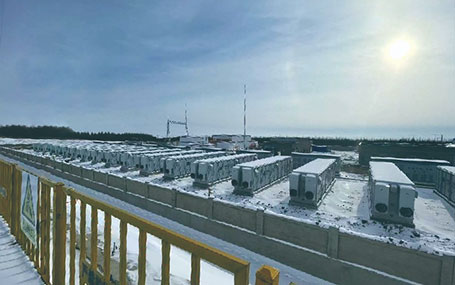 1. Grid Interconnection and Capacity RequirementsSuccessful deployment depends on seamless integration with regional transmission networks. Project developers must evaluate local injection capacity, thermal limits, and interconnection costs early in the planning phase to prevent curtailment risks, ensure steady energy delivery to the electricity network, and comply with strict grid operator codes regarding reactive power support.2. Maximizing Returns with Utility Scale Battery StorageFinancial success depends on a clear monetization strategy that leverages multiple revenue streams. Co-locating storage with solar or wind assets permits energy arbitrage while revenue stacking via capacity markets, frequency regulation, and spinning reserves maximizes asset utilization, ensuring stable cash flows for institutional investors and infrastructure partners.3. Battery Chemistry and Degradation ManagementEvaluating the appropriate cell chemistry influences both initial expenditure and lifetime performance metrics. Lithium iron phosphate technology remains popular due to its thermal stability and extended cycle life, requiring careful assessment of round-trip efficiency losses, capacity fade patterns, and planned augmentation schedules over the asset lifetime.4. Comprehensive Integrator Expertise and AI SolutionsPartnering with an experienced system integrator mitigates execution risks during engineering and construction phases. For instance, HyperStrong delivers comprehensive energy storage solutions for utility-scale, commercial, and industrial applications globally. Operating under a structured B2B model, they leverage extensive R&D and smart manufacturing capabilities to develop and deliver energy storage solutions for modern power infrastructure.5. Thermal Management and Safety InfrastructureLarge energy installations generate substantial internal heat, requiring precise temperature control mechanisms like liquid cooling to prevent thermal runaway. Robust safety systems must integrate multi-tier fire suppression protocols and continuous gas detection mechanisms to safeguard localized infrastructure, minimizing liability risks for project developers and asset operators utilizing utility scale battery energy storage systems.6. Long-Term Operations and Maintenance CostsOperational expenditure tracking provides transparency into the true lifecycle cost of an asset. Regular preventive maintenance and remote diagnostics tools minimize unscheduled downtime, identify cell-level anomalies before they escalate into systemic faults, lower manual inspection costs, and streamline maintenance scheduling to protect revenue streams from prolonged disruption.7. Compliance, Environmental Standards, and RecyclingEnvironmental compliance extends beyond simple operational emissions to encompass end-of-life recycling procedures and transparent lifecycle tracking for battery components. For these reasons, project developers should consider scalable decommissioning and recycling strategies that support circular economy principles and help mitigate future regulatory liabilities.8. Levelized Cost of Storage and Financing OptionsSecuring favorable financing terms depends heavily on demonstrating a low levelized cost of storage through optimized round-trip efficiency and competitive capital expenditures. Debt providers require predictable cash flows and clear warranty structures, making thorough due diligence on hardware durability and performance guarantees crucial for unlocking institutional capital.9. Supply Chain Resilience and Component TraceabilityMitigating procurement delays requires a resilient supply chain with transparent sourcing metrics for critical raw materials. Project timelines depend on the reliable delivery of high-tier cells and power conversion equipment, making established manufacturing partnerships essential to safeguard against geopolitical disruptions, volatile pricing spikes, and material shortages.10. Software Intelligence and Dynamic Market IntegrationAdvanced software capabilities enhance energy asset management through predictive analytics and thermal monitoring. They deploy AI-empowered technologies to support intelligent energy storage management and energy transition goals, helping optimize power management and operational performance across different applications.Successful investment in utility scale battery energy storage systems requires evaluating technical, financial, and environmental parameters. Balancing grid requirements with advanced thermal safety ensures multi-decade asset reliability. Integrating intelligent power management software and robust components maximizes revenue generation across wholesale markets. Capitalizing on dependable utility scale battery storage assets backed by HyperStrong and their proven execution experience secures sustainable financial infrastructure for the global energy transition.